
Australia’s love affair with utes runs deeper than weekend adventures and jobsite convenience. For tradies, farmers, fleet operators, and off-road enthusiasts, a ute is more than transport — it is a mobile workspace, storage unit, and dependable partner on demanding terrain. While many drivers focus on engine performance and towing capacity, the tray setup often determines how functional the vehicle truly becomes in day-to-day use.
Modern tray configurations have evolved dramatically over the last decade. Steel trays built purely for durability are now competing with lightweight aluminium alternatives, modular storage systems, and custom-built touring layouts. Buyers are no longer simply selecting a flat platform; they are investing in efficiency, accessibility, safety, and long-term practicality.
Ute tray systems have become a defining feature for businesses and recreational drivers seeking greater versatility from their vehicles. Whether carrying tools across metropolitan job sites or loading camping gear for remote travel, the right tray setup transforms a standard ute into a purpose-built solution designed for specific demands and working conditions.
Understanding how different tray systems operate, what materials suit particular industries, and which features genuinely improve usability can save owners thousands of dollars while improving productivity and vehicle longevity. With countless configurations now available across the Australian market, choosing the ideal tray requires more than selecting the cheapest option or the flashiest design.
Understanding the Core Types of Ute Tray Systems
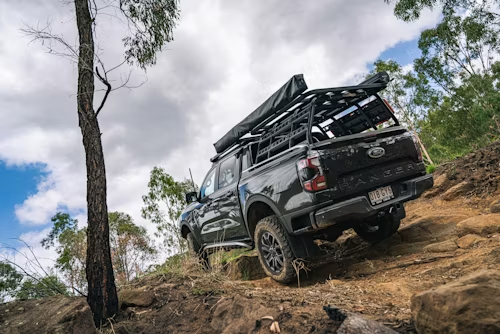
The variety of tray designs available today reflects the broad range of industries and lifestyles that rely on utes throughout Australia. Each system serves a different purpose, and selecting the wrong configuration can create limitations that affect both performance and convenience.
Steel Tray Systems for Heavy-Duty Demands
Steel trays remain a preferred option for industries requiring maximum toughness and load-bearing capability. Construction workers, agricultural operators, and mining contractors frequently choose steel because it withstands rough treatment, heavy machinery, and abrasive materials without significant structural compromise.
Powder-coated or galvanised steel trays provide improved corrosion resistance, although they generally weigh more than aluminium alternatives. This additional weight can slightly affect fuel efficiency and payload capacity, but many users consider the trade-off worthwhile for long-term durability.
Steel trays also offer superior resistance to dents and impact damage, particularly when transporting pallets, building materials, or livestock equipment. Their rigid structure provides confidence in harsh environments where lighter materials may flex or fatigue over time.
Aluminium Tray Systems for Weight Efficiency
Aluminium trays have surged in popularity due to their lightweight construction and corrosion-resistant properties. Tradespeople who prioritise fuel economy and payload flexibility often favour aluminium because the reduced tray weight allows for carrying more equipment without exceeding legal limits.
Another significant advantage lies in appearance retention. Aluminium trays generally resist rust more effectively than untreated steel, making them ideal for coastal regions and humid climates. Their cleaner, more modern appearance also appeals to businesses wanting a professional fleet presentation.
Many aluminium systems incorporate modular accessories such as under-tray toolboxes, ladder racks, and removable side panels. This flexibility allows owners to customise layouts without dramatically increasing overall vehicle weight.
Canopy-Integrated Tray Systems
Canopy-integrated systems combine secure enclosed storage with the practicality of a tray platform. These setups are increasingly common among electricians, plumbers, emergency service vehicles, and touring enthusiasts requiring organised storage protection.
A well-designed canopy system improves weather protection, equipment security, and workspace efficiency. Shelving, drawer systems, battery management units, and refrigeration setups can all be integrated into enclosed canopies to support specialised applications.
Touring canopies designed for long-distance travel often include rooftop tents, water tanks, solar systems, and recovery gear mounts, turning a ute into a self-sufficient expedition vehicle suitable for remote Australian conditions.
Modular and Custom Tray Configurations
Not every operator fits standard tray dimensions or layouts. Modular tray systems cater to users seeking highly personalised functionality. These systems allow individual components to be added, removed, or repositioned depending on evolving requirements.
Custom configurations may include crane mounts, slide-out workstations, integrated compressors, dog boxes, or hydraulic tipping functions. Businesses operating across multiple industries often benefit from modularity because the same vehicle can adapt to changing operational needs.
Although custom solutions generally involve higher upfront costs, they frequently deliver greater long-term efficiency by reducing the need for secondary vehicles or additional equipment storage.
Key Features That Separate Quality Tray Systems from Cheap Alternatives
Not all tray systems deliver equal performance. The difference between a premium tray and a budget alternative often becomes obvious after prolonged use in demanding conditions.
Structural Engineering and Load Distribution
A properly engineered tray distributes weight evenly across the chassis, reducing strain on suspension components and improving vehicle handling. Poorly designed systems may create stress concentrations that accelerate chassis fatigue or compromise safety during towing and off-road driving.
Cross-member spacing, mounting techniques, and reinforcement points all contribute to tray integrity. Buyers should assess how the tray interfaces with the vehicle chassis rather than focusing solely on external appearance.
Advanced Storage Integration
Modern tray systems increasingly prioritise organisation rather than simple carrying capacity. Integrated storage compartments allow tools and equipment to remain secure, accessible, and protected from environmental exposure.
Under-tray drawers, lockable side boxes, and vertical shelving systems help maximise usable space while reducing clutter. Efficient organisation not only improves productivity but also minimises the risk of damaged or lost equipment during transit.
Weather Resistance and Corrosion Protection
Australia’s climate varies dramatically between coastal humidity, desert heat, and alpine cold. Tray materials and coatings must withstand prolonged environmental exposure without deteriorating.
High-quality powder coating, galvanisation, and marine-grade aluminium construction provide enhanced corrosion protection. Sealed electrical components and weather-resistant seals further improve durability for canopy-equipped systems exposed to rain, dust, and mud.
Safety Enhancements and Accessibility
Accessibility plays a major role in workplace safety and operational efficiency. Drop-down sides, anti-slip surfaces, integrated ladder access points, and ergonomic loading heights all reduce physical strain during repetitive tasks.
Some premium systems also incorporate central locking integration, LED work lighting, and reverse camera compatibility. These additions improve both safety and convenience, particularly for operators working at night or in remote environments.
Matching Tray Systems to Different Industries and Lifestyles
A tray system suitable for one profession may prove entirely impractical for another. Understanding how various industries utilise tray layouts helps narrow the selection process considerably.
Trade and Construction Applications
Tradies generally prioritise organisation, accessibility, and security. Electricians may require compartmentalised storage for small components and testing equipment, while carpenters often need ladder racks and oversized tray dimensions for timber transport.
Construction-focused setups frequently incorporate heavy-duty toolboxes, reinforced flooring, and lockable canopies to protect expensive equipment left onsite overnight. Efficient storage layout directly influences jobsite productivity by reducing time spent locating tools.
Agricultural and Rural Operations
Farmers and rural contractors often place durability above aesthetics. Tray systems used in agriculture must handle fencing supplies, feed bags, machinery parts, and rough terrain without constant maintenance concerns.
Steel trays with removable drop sides remain popular in rural environments because they simplify loading and unloading bulky materials. Additional features such as water tank mounts, recovery points, and livestock barriers further enhance practicality for remote work.
Touring and Camping Setups
Adventure travellers require an entirely different balance between storage, comfort, and self-sufficiency. Touring trays often integrate dual battery systems, fridges, rooftop tents, and recovery equipment into highly organised layouts.
Weight management becomes especially important for touring builds. Excessive tray weight can compromise off-road handling, suspension performance, and fuel range during extended trips through isolated regions.
Well-designed touring systems prioritise accessibility, so essential equipment remains easy to reach without unpacking the entire vehicle during campsite setup.
Fleet and Commercial Transport Use
Fleet operators often focus on standardisation, compliance, and operating costs. Lightweight aluminium trays reduce fuel consumption across large vehicle fleets while simplifying maintenance schedules.
Commercial fleet systems may also include branding panels, GPS integration, and standardised storage layouts to improve operational consistency among employees using shared vehicles.
The Growing Influence of Technology in Modern Tray Design
Tray manufacturing has moved far beyond simple welded platforms. Technology now influences everything from fabrication precision to smart security integration.
CNC Fabrication and Precision Manufacturing
Computer-controlled fabrication methods have improved tray consistency and structural accuracy. CNC-cut components provide tighter tolerances, cleaner finishes, and improved alignment compared with older manual fabrication techniques.
Precision manufacturing also enables manufacturers to create lighter yet stronger tray structures by optimising reinforcement placement and material thickness.
Smart Security Systems
Security remains a major concern for ute owners carrying expensive tools or camping equipment. Modern tray systems increasingly integrate electronic locking systems connected directly to vehicle central locking.
Some advanced canopies now support remote monitoring, internal motion sensors, and smartphone-based access control. These features provide greater peace of mind for users, leaving valuable equipment unattended for extended periods.
Integrated Electrical Systems
Power management has become essential for both commercial and recreational tray setups. Integrated wiring channels, battery management systems, solar charging capability, and inverter compatibility are now common features in premium tray designs.
These electrical systems support everything from cordless tool charging to portable refrigeration and remote communications equipment.
Aerodynamic Improvements
Manufacturers are increasingly considering aerodynamic efficiency during tray development. Rounded canopy edges, flush-mounted accessories, and streamlined designs help reduce drag and improve fuel economy, particularly during highway driving.
Although aerodynamic gains may appear minor individually, they can significantly influence long-distance operational costs over time.
Cost Considerations and Long-Term Value
Tray pricing varies dramatically depending on materials, accessories, and fabrication quality. While budget-conscious buyers may gravitate toward cheaper systems, upfront savings can quickly disappear through repairs, corrosion issues, or reduced functionality.
Initial Purchase Versus Lifetime Cost
A lower-priced tray may initially appear attractive, but inferior coatings, poor welding quality, or weak mounting systems can create costly maintenance requirements later. Premium trays generally provide better structural longevity and resale value.
Businesses relying heavily on vehicle uptime often find higher-quality systems more economical in the long run due to reduced downtime and replacement frequency.
Customisation Expenses
Additional accessories can substantially increase the total project cost. Toolboxes, ladder racks, lighting systems, canopies, water tanks, and electrical upgrades all contribute to the final investment.
Planning future requirements before installation helps prevent expensive retrofitting later. Buyers should consider how their operational needs may evolve over several years rather than focusing only on immediate functionality.
Resale and Vehicle Appeal
Professionally installed tray systems can improve overall vehicle resale value, particularly when the setup suits common industry applications. Well-maintained aluminium and canopy systems often retain strong market demand among second-hand buyers.
Poorly designed custom modifications, however, may narrow resale appeal if the configuration becomes overly specialised or difficult to adapt.
Frequently Asked Questions
What is the best material for ute tray systems in Australia?
The ideal material depends on intended usage. Steel trays suit heavy-duty industrial applications requiring maximum strength, while aluminium trays provide lighter weight and improved corrosion resistance for trades and touring setups.
Are aluminium trays strong enough for off-road use?
High-quality aluminium trays designed specifically for off-road conditions are extremely durable and capable of handling demanding terrain. Proper engineering and reinforcement are more important than material choice alone.
Do canopy tray systems affect fuel economy?
Canopy systems can influence fuel consumption depending on weight and aerodynamic design. Lightweight materials and streamlined construction help minimise additional fuel usage compared with heavier or poorly designed alternatives.
How long do quality ute tray systems typically last?
Premium tray systems can last well over a decade with proper maintenance. Longevity depends on material quality, environmental exposure, load conditions, and regular servicing practices.
Can tray systems be transferred between vehicles?
Some tray systems can be adapted to different vehicles if chassis dimensions and mounting configurations are compatible. However, modifications may be necessary depending on the new vehicle model.
Conclusion
The right tray setup transforms a ute from a basic utility vehicle into a highly specialised workhorse tailored to individual demands. Whether supporting construction projects, agricultural operations, commercial fleets, or remote touring adventures, tray selection directly affects efficiency, safety, durability, and daily convenience.
As Australian industries continue evolving, tray systems are becoming increasingly sophisticated through lightweight materials, integrated technology, modular storage, and advanced fabrication techniques. Buyers who carefully assess long-term operational needs rather than focusing solely on initial cost often achieve better performance and stronger long-term value.
Choosing wisely means understanding how different tray systems interact with workload requirements, environmental conditions, and future expansion plans. A properly designed setup does far more than carry cargo — it enhances the capability of the entire vehicle while supporting productivity in every environment Australia can offer.